Portfolio
Overview:
This was a personal project done to help fix an issue I had: me and my friends enjoyed playing games like code names, but did not like the setup and the lack of customization in words used. As such, I made a website that handled all the setup and let users create their own decks of words so they could make fun themed decks to pay with friends.
Key Takeaways:
- React: Working fully alone in the react framework meant getting really comfortable with every part of it.
- Auth0: While I had been on teams that used accounts before, I had never set it up myself. This project taught me a lot about Auth0's method of authorization and how to tie that into the accounts on my website seamlessly.
- GraphqL and MongoDB: GraphQL and MongoDB was my first time working with a NoSQL database, and as such, there was a lot to learn and discover about the pros and cons of using that system. I leanred a lot about managing connections, shaping the data on the database, and sending/recieving that info back and forth.
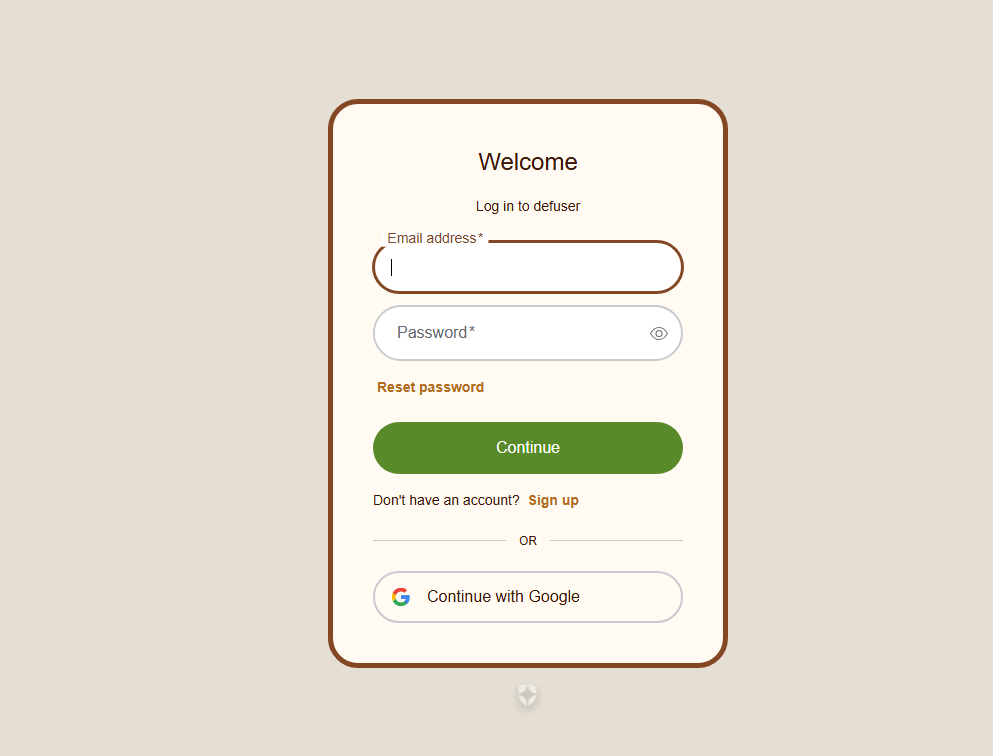
Auth0 was used in order to offload authorization and security management onto a trusted 3rd part site instead of trying to implament every part of it myself.
GraphQL subscriptions are used in order to maintain an active connection and ensure concistent game states between players.
Once authorized, users are able to create and share custom decks in order to tailor their expeirnece to themselves.
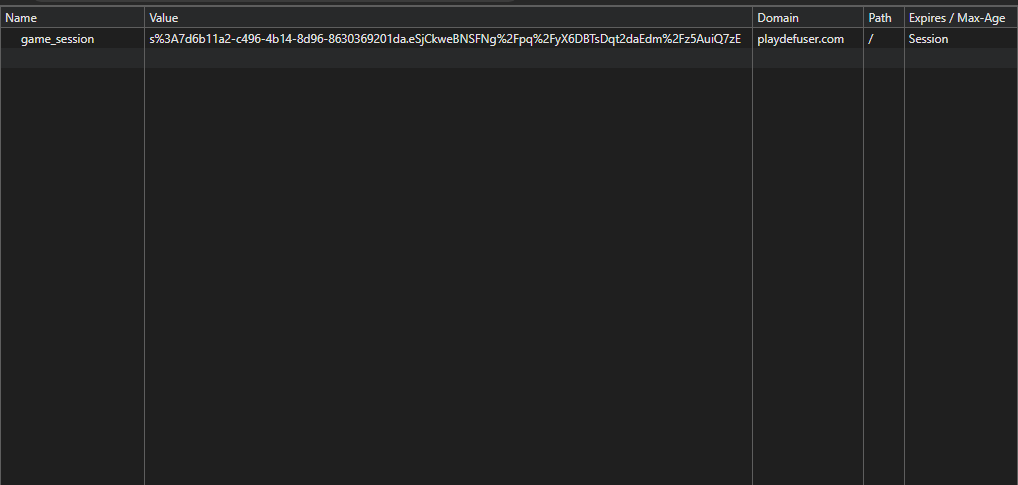
While users must be logged in to create decks, the website uses session cookies in order to let guests still play with public decks or already made lobbies.
Overview:
This project was created alone over a period of approximately 6 months. It is a digital implementation of the physical board game 7 Wonders Duel that handles all gameplay and rules functionality for the user. This was created purely as a learning experience and is not publicly available anywhere.
Key Takeaways:
- Unity Events: Enabled loose coupling of components, making the system more modular and easily expandable for future changes.
- Interfaces: Used to create generic reusable abilities, allowing for easy implementation of new cards with minimal additional code.
- Polymorphism: Allowed different card types to handle their own independent behaviors, reducing the need for other systems to differentiate them.
Game start involves two players selecting their starting wonders from a randomly selected group of eight wonders.
The cards all extend the same base class and use polymorphism so all systems can interact with them without needing to differentiate type.
Effects were created using a base interface that each affect class inherits. Wonders would then trigger any number of these effects one at a time allowing for rapid creation of new wonders.
Overview:
This was the final project of a college game programming course. Working in a group of three students, we developed a 3/4 view action game with multiple enemies, levels, and buffs.
Key Takeaways:
- Enemy State Machines: One boss was developed with multiple attacks and animations using a state based system. This method made the enemies functionality easy to extend.
- Time Management: This project was assigned day one of class and due the final day. Working in a team of three, when had to quickly learn to manage our time, split work cleanly, and find a work flow that would allow us to finish a full game in just under four months.
This boss was implemented with four distinct states that controlled the entire fight and allowed for more attacks to be easily added on when time permited.
I developed multiple enemies with different attacks that all inherit from the same base script.
Multiple buffs were developed that each interact with the users in different ways.